

Meta Quest 3 vs XREAL Air 2 Ultra
The Meta Quest 3 and XREAL Air 2 Ultra represent two fundamentally different approaches to mixed reality—one is a bulky but capable standalone VR headset, the other lightweight AR glasses that require a tethered connection. Both earn identical 79/100 DriftScores but serve completely different use cases and budgets.
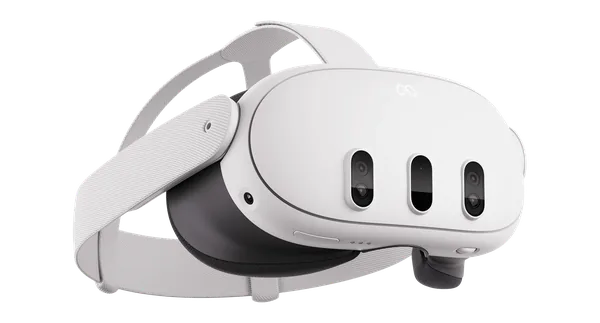
Meta Quest 3
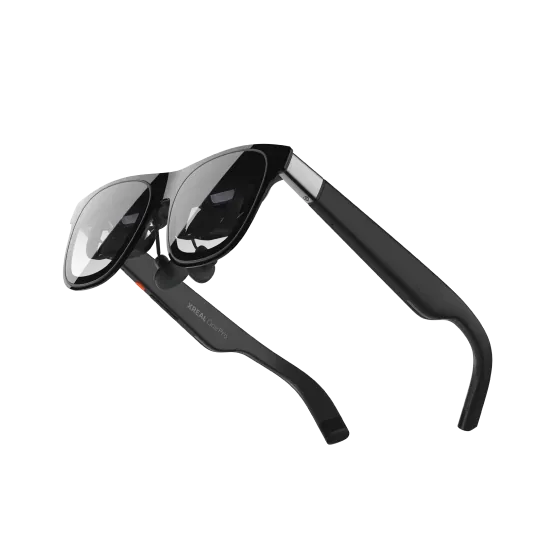
XREAL Air 2 Ultra
Specifications compared
| Spec | Meta Quest 3 | XREAL Air 2 Ultra |
|---|---|---|
| Price | $364.99 | $699.00 |
| DriftScore | 80/100 | 77/100 |
| display | Dual LCD, 4.5M pixels total, 2064x2208 per eye | Dual Sony micro-OLED, 1080p per eye, 120Hz |
| chip | Snapdragon XR2 Gen 2 | — |
| ram | 8GB | — |
| storage | 512GB | — |
| lenses | Pancake lenses (edge-to-edge clarity) | — |
| tracking | Inside-out 6DoF, hand tracking, face tracking | 6DoF via dual 3D environment sensors |
| fov | — | 52 degrees |
| brightness | — | 500 nits peak |
| frame | — | Titanium ring frame |
| audio | — | Built-in directional speakers + microphones |
Score breakdown
Our verdict
Choose the Meta Quest 3 at $499.99 if you want a complete VR gaming system with standalone capabilities and don't mind the bulk. Its superior mixed reality, larger game library, and untethered experience make it the better all-around choice for most buyers. Pick the XREAL Air 2 Ultra at $699 only if portability is your top priority and you primarily want AR experiences on the go—but understand you're paying $200 more for a more limited, tethered device with a narrow 52-degree field of view. For most people, the Quest 3 delivers better value despite both products sharing the same DriftScore.
Frequently asked questions
Which has better display quality?
The XREAL Air 2 Ultra uses premium Sony micro-OLED displays that are incredibly crisp, while the Quest 3 offers 4.5M pixels with edge-to-edge sharpness from pancake lenses. Both are excellent, but the Quest 3 provides a much wider field of view for immersion.
Can I use either device without a phone or computer?
Only the Meta Quest 3 works standalone—it's a complete VR system with onboard processing and 512GB storage. The XREAL Air 2 Ultra requires a tethered connection to your phone or computer to function.
Which is more comfortable for long sessions?
The XREAL Air 2 Ultra wins on weight with its lightweight titanium frame and glasses form factor. However, the Quest 3's 2-3 hour battery life naturally limits session length, while the tethered XREAL can run indefinitely but may cause neck strain from the cable.