Best value tech gadgets (2026)
Maximum bang for your buck — no overpriced hype.
Last updated: November 5, 2026 — Rankings update automatically.
How we rank
We rank every gadget by what you actually get for what you pay. That means features per dollar, subscription costs factored in, and how it stacks up against competitors at the same price. A $200 gadget that outperforms $400 alternatives scores high. A $3,500 headset with limited apps scores low. Your wallet will thank you.
Quick picks
Value in tech is not the same as cheap. A $30 fitness band and a $249 VR headset can both be good buys, but only if they do the one job you actually want done. This page ranks eight gadgets from smart rings to earbuds to AI glasses, and our scores weigh what each product delivers against what it asks of you, whether that is money, charging time or extra accounts.
The list is headed by Apple AirPods Pro 3 (DriftScore 84), the Xiaomi Smart Band 9 (83) and the Nothing Ear (3) (81). Lower on the list sit narrower products like the Pebble Index O1 and Brilliant Labs Frame, which suit specific buyers well and everyone else poorly. Read the trade-offs below before you compare scores alone, because a lower-scoring product can still be the right pick for your use.
How to choose
Match the gadget to one clear job
The cheapest way to waste money is buying a device for a feature it lacks. The Pebble Index O1 Smart Ring is a voice-memo device with no heart rate, sleep or SpO2 tracking, so it is a poor substitute for a health ring. Solos AirGo 3 glasses are audio-only, with no camera or display. The Xiaomi Smart Band 9 covers basic fitness tracking but has no ECG sensor. Decide what you want the device to do daily, then check that the specs list it before looking at price.
Count the recurring and hidden costs
Sticker price is only part of value. The RingConn Gen 2 requires no subscription, which matters when comparing smart rings, since some rivals such as Oura are described in the data as costing more. The Meta Quest 3S requires a Meta account, which some buyers dislike. The Pebble Index O1 uses a replaceable battery rated for roughly two years, so there is no charging routine at all. Weigh account requirements, batteries and app limits alongside the purchase price.
Know where budget models cut corners
Lower cost usually shows up somewhere specific. The Xiaomi Smart Band 9 relies on your phone for GPS and its health tracking is less accurate than premium bands. RingConn's sleep tracking is less accurate than Oura's and its app lacks advanced analytics. The Meta Quest 3S uses Fresnel lenses that cause edge blur, offers only 3 fixed IPD settings and has lower resolution than the Quest 3. If accuracy or sharpness is your priority, these compromises may outweigh the savings.
Check ecosystem fit and product maturity
Apple AirPods Pro 3 have the highest score here, but the best experience is limited to Apple devices, and Live Translation was in beta at launch. Nothing Ear (3) offers LDAC but lacks health sensors and translation. The Pebble Index O1 only started shipping in March 2026, and the Brilliant Labs Frame has limited retail availability and a small community. Solos AirGo 3 needs a phone connection for its AI features. Confirm your phone and the product's stage of maturity before buying.
Frequently asked questions
What is the cheapest good option on this list?
The Xiaomi Smart Band 9 is described as costing under $30, with a 1.62-inch AMOLED display, 21-day battery and 150+ workout modes. The Pebble Index O1 is listed at $75-99 and the Meta Quest 3S at $249-299. Prices vary by retailer and date, so check current listings before buying.
Is a smart ring worth it compared with a fitness band?
It depends on the job. The RingConn Gen 2 tracks heart rate, SpO2 and temperature with up to 10 days of battery and no subscription, but its sleep tracking is less accurate than Oura's. A band like the Xiaomi Smart Band 9 gives a bigger display and workout modes. The Pebble Index O1 is not a health tracker at all.
Do I need an iPhone for the best earbuds here?
Not necessarily. Apple AirPods Pro 3 score highest, but their best experience is limited to Apple devices. Nothing Ear (3) is a mid-range alternative with 45dB hybrid ANC, LDAC support and the Super Mic case feature, though it has no health tracking or real-time translation.
Are AI glasses ready for mainstream buyers?
The two pairs here serve narrow audiences. The Solos AirGo 3 is a lightweight 35g audio-only pair with ChatGPT integration and real-time translation, but needs a phone connection and has limited retailer availability. The Brilliant Labs Frame has a real display but is aimed at developers and enthusiasts, with a small ~20 degree field of view.
Full rankings
 Xiaomi Smart Band 9 Fitness Wearables 92 Check Price 2
 Pebble Index O1 Smart Ring Smart Rings 85 Check Price 3
 RingConn Gen 2 Smart Ring Smart Rings 85 $299.00 4
 Meta Quest 3S AR/VR Headsets 85 Check Price 5
 Nothing Ear (3) AI Earbuds 82 Check Price 6
 Solos AirGo 3 AI Glasses 78 Check Price 7
 Apple AirPods Pro 3 AI Earbuds 75 Check Price 8
 Brilliant Labs Frame AI Glasses 75 Check Price 9
 Omi AI Wearable Portable AI 75 Check Price 10
 Withings ScanWatch Nova Health Tech 75 Check Price 11
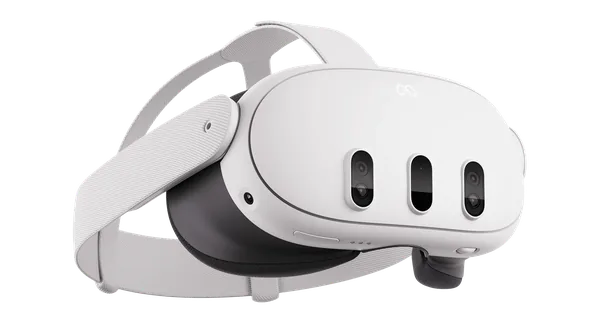 Meta Quest 3 AR/VR Headsets 75 Check Price 12
 Fitbit Charge 6 Fitness Wearables 75 Check Price 13
 Garmin Vivosmart 5 Fitness Wearables 75 Check Price 14
 PlayStation VR2 AR/VR Headsets 75 Check Price 15
 Samsung Galaxy Watch 8 Smart Watches 72 Check Price 16
 Samsung Galaxy Buds 4 Pro AI Earbuds 72 Check Price 17
 Garmin Venu 4 Smart Watches 72 Check Price 18
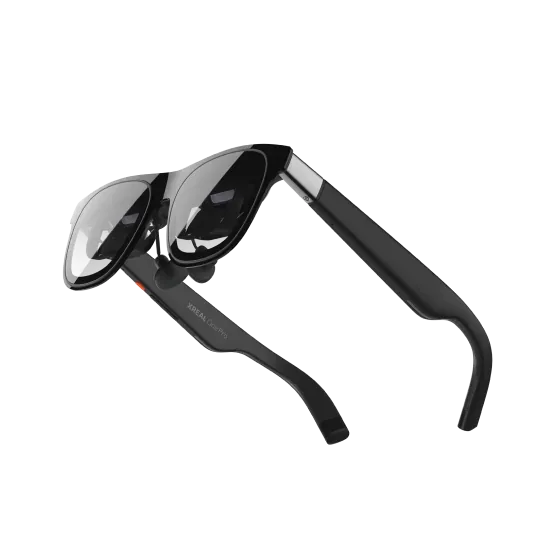 XREAL Air 2 Ultra AR/VR Headsets 72 Check Price 19
 Bee AI Memory Companion AI Companions 72 Check Price 20
 Supernote Manta (A5 X2) E-Ink Devices 72 $505.00 21
 Meta Ray-Ban AI Glasses (2026) AI Glasses 72 Check Price 22
 Google Pixel Buds Pro 2 AI Earbuds 72 Check Price 23
 Samsung Galaxy Watch Ultra (2025) Smart Watches 65 Check Price 24
 Google Pixel Watch 4 Smart Watches 65 Check Price 25
 Plaud NotePin S Portable AI 65 $179.00 26
 Kindle Scribe (2025) E-Ink Devices 65 Check Price 27
 Apple Watch Ultra 3 Smart Watches 65 Check Price 28
 BOOX Note Air5 C E-Ink Devices 65 $529.99 29
 Timekettle W4 Pro AI Earbuds 65 $404.10 30
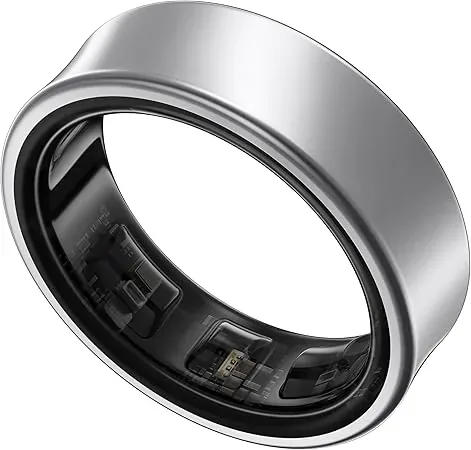 Samsung Galaxy Ring 2 Smart Rings 65 Check Price 31
 Plaud NotePin AI Recorder AI Companions 65 Check Price 32
 Dexcom Stelo Health Tech 65 Check Price 33
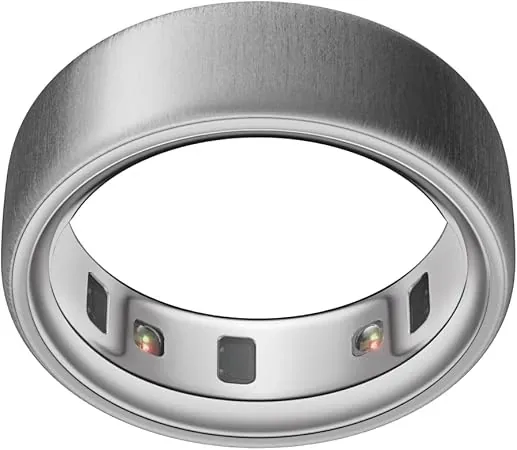 Oura Ring 4 Smart Rings 60 Check Price 34
 reMarkable Paper Pro E-Ink Devices 60 Check Price 35
 Daylight DC-1 E-Ink Devices 45 Check Price 36
 Withings Body Scan Health Tech 45 $499.95 37
 Friend AI Pendant Portable AI 45 Check Price 38
 WHOOP 5.0 Fitness Band Fitness Wearables 45 Check Price 39
 Eight Sleep Pod 4 Health Tech 45 Check Price
Detailed view
Xiaomi Smart Band 9
Pebble Index O1 Smart Ring
RingConn Gen 2 Smart Ring
Meta Quest 3S
Nothing Ear (3)
Solos AirGo 3
Apple AirPods Pro 3
Brilliant Labs Frame
Omi AI Wearable
Withings ScanWatch Nova
Meta Quest 3
Fitbit Charge 6
Garmin Vivosmart 5
PlayStation VR2
Samsung Galaxy Watch 8
Samsung Galaxy Buds 4 Pro
Garmin Venu 4
XREAL Air 2 Ultra
Bee AI Memory Companion
Supernote Manta (A5 X2)
Meta Ray-Ban AI Glasses (2026)
Google Pixel Buds Pro 2
Samsung Galaxy Watch Ultra (2025)
Google Pixel Watch 4
Plaud NotePin S
Kindle Scribe (2025)
Apple Watch Ultra 3
BOOX Note Air5 C
Timekettle W4 Pro
Samsung Galaxy Ring 2
Plaud NotePin AI Recorder
Dexcom Stelo
Oura Ring 4
reMarkable Paper Pro
Daylight DC-1
Withings Body Scan
Friend AI Pendant
WHOOP 5.0 Fitness Band
Eight Sleep Pod 4
As an Amazon Associate, we earn from qualifying purchases. This site may earn affiliate commissions from links to products, at no extra cost to you.