Best AR/VR Headsets 2026
Immersive gaming and computing that puts you inside the action—from casual mobile experiences to console-quality VR.
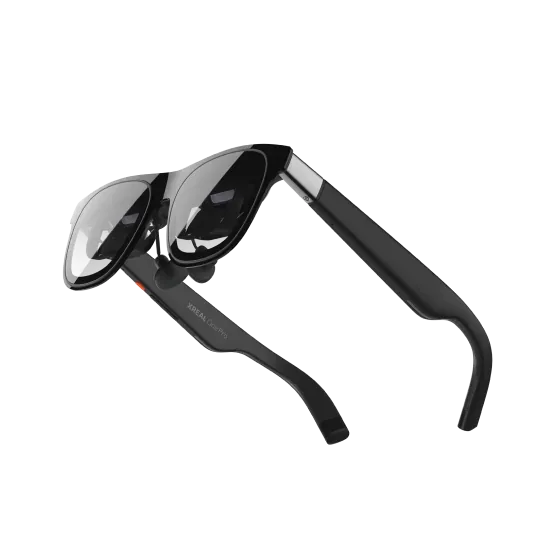
XREAL Air 2 Ultra
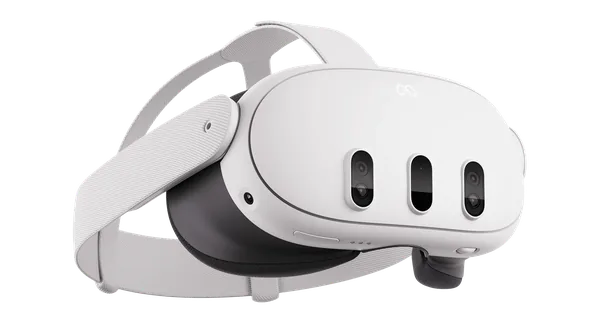
Meta Quest 3

Meta Quest 3S

PlayStation VR2
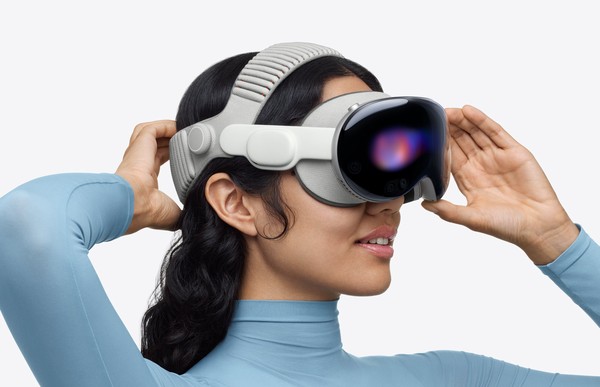
Apple Vision Pro
AR/VR headsets in 2026 fall into a few distinct groups, and the right pick depends more on how you plan to use one than on any single spec. Standalone headsets like the Meta Quest 3S and Quest 3 run on their own, PlayStation VR2 tethers to a PS5, XREAL Air 2 Ultra is a pair of lightweight glasses that connect to a phone or computer, and Apple Vision Pro sits at the premium end for mixed reality and productivity.
On this page, our scores rank Meta Quest 3 at 80, Meta Quest 3S at 79, XREAL Air 2 Ultra at 77, PlayStation VR2 at 75 and Apple Vision Pro at 60. The score gap does not mean the lower-ranked products are poor choices for the right buyer, so read the trade-offs below before deciding. Field of view, display type, connection method and cost are the differences that shape daily use most.
How to choose ar/vr headsets
Decide between standalone and tethered
Meta Quest 3S and Quest 3 work on their own, with the Snapdragon XR2 Gen 2 chip and 8GB of RAM built in, so you need no console or PC to start. PlayStation VR2 connects to a PS5 with a single USB-C cable and has no standalone mode. XREAL Air 2 Ultra also needs a tethered phone or computer. If you want to put a headset on and play without extra hardware, standalone is the simpler route.
Match the display to what you will do
Panel type and resolution change how sharp and vivid the picture looks. PlayStation VR2 uses dual OLED panels at 2000x2040 per eye with HDR. Quest 3 has 2064x2208 per eye with pancake lenses for edge-to-edge clarity, while Quest 3S uses Fresnel lenses that can blur at the edges. Apple Vision Pro's micro-OLED at 3660x3200 per eye is the sharpest listed here, and XREAL Air 2 Ultra uses Sony micro-OLED at 1080p per eye.
Weigh field of view against portability
A wider field of view feels more immersive in games. PlayStation VR2 offers 110 degrees, Apple Vision Pro roughly 100, and Quest 3S 96 horizontal by 90 vertical. XREAL Air 2 Ultra has a narrower 52 degrees, but it trades that for a lightweight glasses form factor with 6DoF tracking, suited to a giant virtual screen and everyday wear rather than full VR immersion. Choose based on whether you want to be inside a world or carry a screen with you.
Set your budget and check ecosystem fit
Cost and ecosystem requirements narrow the field quickly. Quest 3S is listed at $249-299, while Apple Vision Pro is listed at $3,499. PlayStation VR2 needs a PS5, listed at $499 separately, and Meta headsets require a Meta account. Vision Pro is best suited to people already in the Apple ecosystem. Quest 3 costs nearly double the Quest 3S but adds higher resolution, pancake lenses and 512GB of storage.
Frequently asked questions
Which headset is best for someone new to VR?
Meta Quest 3S is the most approachable option here. It is listed at $249-299, runs standalone on the same Snapdragon XR2 Gen 2 chip as Quest 3, and offers full-color mixed reality passthrough. Its drawbacks are Fresnel lenses that blur at the edges, only three fixed IPD settings and lower resolution than Quest 3.
Do I need a PC or console to use these headsets?
Not for Meta Quest 3S or Quest 3, which are standalone. PlayStation VR2 requires a PS5 and has no standalone mode. XREAL Air 2 Ultra needs a tethered phone or computer. Apple Vision Pro is not described as needing a tethered device, though it uses an external battery pack lasting approximately two hours.
Is Quest 3 worth the extra cost over Quest 3S?
It depends on how much you value visuals and storage. Quest 3 has higher resolution, pancake lenses for edge-to-edge sharpness and 512GB of storage, while Quest 3S shares the same chip and RAM. Quest 3 costs nearly double, and its battery lasts only 2-3 hours. Budget buyers may find Quest 3S the better value.
Can XREAL Air 2 Ultra replace a full VR headset?
No, it serves a different purpose. It is a lightweight pair of glasses with a 52-degree field of view, 6DoF tracking and Sony micro-OLED displays, well suited to a large virtual screen and spatial computing. It requires a tethered phone or computer and has a limited AR app ecosystem, so it is not aimed at full VR immersion.
As an Amazon Associate, we earn from qualifying purchases. This site may earn affiliate commissions from links to products, at no extra cost to you.