

Oura Ring 4 vs Samsung Galaxy Ring 2
The smart ring market has two clear leaders: Oura's fourth-generation flagship and Samsung's AI-powered Galaxy Ring 2. Both offer comprehensive health tracking in a discreet wearable form factor, but they take notably different approaches to user experience and ecosystem integration.
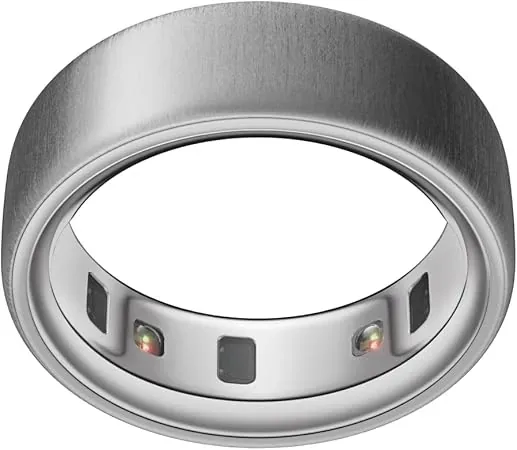
Oura Ring 4
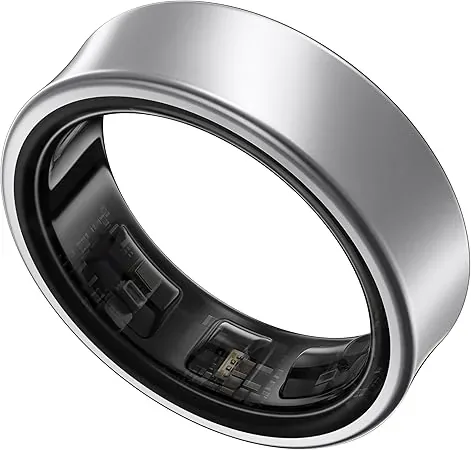
Samsung Galaxy Ring 2
Specifications compared
| Spec | Oura Ring 4 | Samsung Galaxy Ring 2 |
|---|---|---|
| Price | $349.00 | $279.00 |
| DriftScore | 92/100 | 89/100 |
| Battery Life | Up to 7 days | Up to 5 days |
| Sensors | Heart rate, SpO2, temperature | BioActive sensor, temperature |
| Water Resistance | 100m | 10ATM + IP68 |
| Connectivity | Bluetooth 5.3 | Bluetooth 5.4 |
| Weight | 4-6g depending on size | 3-5g depending on size |
Score breakdown
Our verdict
The Oura Ring 4 wins this comparison with its superior 92/100 DriftScore and $30 lower price point at $299. Oura's four-generation refinement shows in more accurate health metrics and better battery optimization. While Samsung's Galaxy Ring 2 offers compelling Galaxy AI features and gesture controls, the 89/100 DriftScore and $329 price make it harder to recommend unless you're deeply invested in Samsung's ecosystem.
Frequently asked questions
Which ring has better battery life?
The Oura Ring 4 typically delivers 7-8 days of battery life compared to the Galaxy Ring 2's 5-6 days. Oura's four generations of optimization give it a clear advantage in power management.
Do I need a subscription for either ring?
Yes, both require subscriptions for full features. Oura charges $5.99/month while Samsung includes basic features free with premium Galaxy AI features requiring a Samsung account and potential future subscription.
Which ring works better with iPhone?
The Oura Ring 4 offers better cross-platform compatibility and full feature access on iPhone. Samsung's Galaxy Ring 2 works with iPhone but loses some Galaxy AI integration and gesture control features.